 01772 822626
 Email Us
 Find Us
 Get a Quote or Start a Chat
 Home
 What We Do
 Reviews
 Case Studies
 About Us
 FAQs
 We Also Visit
 Blog
 Contact Us
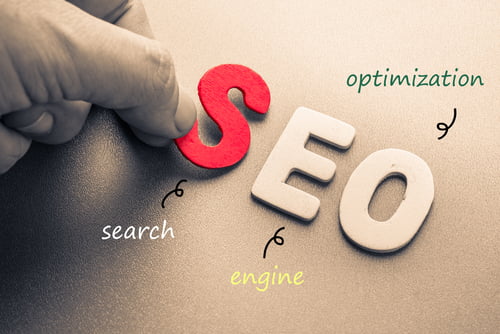
When someone searches for a product, service, or answer online, Google has to decide which websites are most useful and relevant to show. With potentially thousands of pages competing for attention, appearing prominently in the search results can make a significant difference to how easily customers find your business. This is where SEO comes in. Search Engine Optimisation (SEO) is the process of improving your website so that search engines can understand its content, relevance, authority, and overall usefulness. While SEO cannot guarantee a particular position in Google’s search results, it can help your website meet the factors that search engines consider when determining which pages to display.
But what exactly does SEO have to do with SERP rankings, and why is it so important for your website?
What are Google SERPs?
SERP stands for Search Engine Results Page. It is the page you see after entering a search into Google. A SERP can include:
- Organic website listings
- Paid advertisements
- Featured snippets
- Local business results
- Images
- Videos
- People Also Ask sections
- Shopping results
- Maps
- Other search features
Your SEO strategy is primarily concerned with improving your website’s visibility within the organic results, although good SEO can also support visibility across different areas of the search experience.
The higher and more prominently your website appears for relevant searches, the more opportunities you have to attract people to your site.
How does SEO affect your Google rankings?
Google uses a wide range of signals and systems to determine which pages should appear for a particular search, and SEO helps you communicate with these systems more effectively.
SEO helps you make your website clearer for both search engines and visitors. This can involve improving your content, organising your pages, making your website technically sound, strengthening your reputation online, and ensuring each page is relevant to the searches you want to appear for.
The result is a website that is easier for Google to crawl, understand and assess.
Why does relevant content matter?
One of the biggest parts of SEO is the content on your website. Google wants to provide searchers with results that are useful and relevant to what they are looking for. If your website provides clear, accurate and helpful information about your products or services, it gives Google more context about your business and the subjects your website covers.
But rather than filling your website with keywords, effective SEO is about creating content that genuinely answers the questions and needs of your potential customers.
What is search intent and why does it matter?
Google doesn’t only look at individual keywords. It also attempts to understand what the searcher is actually trying to find. This is known as search intent.
Someone searching for “what is SEO” is likely looking for an explanation or educational information.
Someone searching for “SEO agency Preston” has a much clearer commercial or local intent.
Someone searching for “buy office furniture” is looking for products they can purchase.
Your content needs to match the purpose behind the search.
This is important because a page can contain the right keywords but still fail to perform well if it doesn’t provide the type of information the searcher expects.
Understanding search intent therefore allows you to create pages that are more closely aligned with the searches you want to target.
SEO helps Google understand your website
Your website might make perfect sense to you, but search engines still need information that helps them understand what each page is about. This is where on-page SEO becomes important.
Elements such as:
- Page titles
- Headings
- Meta descriptions
- Internal links
- Image alt text
- URL structures
- Page content
- Structured data
- Clear navigation
can all help provide context.
Good on-page SEO creates a logical relationship between different elements of your website, and this gives Google a stronger understanding of the subject and purpose of the page.
Does website performance affect SEO?
A website’s technical performance is another important part of SEO. Visitors expect websites to load quickly and work properly across different devices. Google also considers aspects of page experience when evaluating websites.
Technical SEO can involve improving areas such as:
- Website loading times
- Mobile usability
- Crawlability
- Indexing
- Broken links
- Website security
- Site architecture
- Core Web Vitals
- Duplicate or conflicting pages
A technically healthy website makes it easier for search engines to access your content and for users to interact with it.
What should you focus on if you want better SERP visibility?
If you’re looking to improve your website’s organic visibility, it helps to take a broader view of SEO.
- Create genuinely useful content: Don’t create pages just because you want to target another keyword. Think about what your customers actually want to know and create content that provides a useful answer.
- Target relevant searches: Keyword research can help you identify the language your customers use when searching for your products and services. Use this research to guide your content rather than forcing keywords into every paragraph.
- Improve your technical SEO: Check that Google can access and understand your website. Your pages should load properly, work across mobile devices and have a clear structure.
- Build authority over time: Create content worth referencing and develop genuine relationships within your industry. Quality backlinks and mentions can help establish your website’s credibility.
- Strengthen your internal linking: Connect related pages together so visitors and search engines can easily discover relevant information throughout your website.
- Keep your content up to date: Search behaviour, products, services and industries change. Review older pages periodically and update information where necessary so that your website continues to provide useful and accurate information.
For more information or advice, get in touch with the experts today, here at Pumpkin Web Design. We are Preston’s leading web design and web marketing professionals. We provide a wide range of website solutions and SEO services across Preston and the North West, from Blackburn and Bolton, to Southport, Lytham, and even Manchester. We work with businesses of all sizes and across a wide variety of sectors, from local service providers to established commercial brands. So, for more information about SEO, content marketing, traffic growth and web design, get in touch with the experts at Pumpkin Web Design today.